Guides & Tips
The best camera setup for sport is not always the highest-resolution camera. It is the one you will actually wear, control safely, and keep recording when the moment happens.
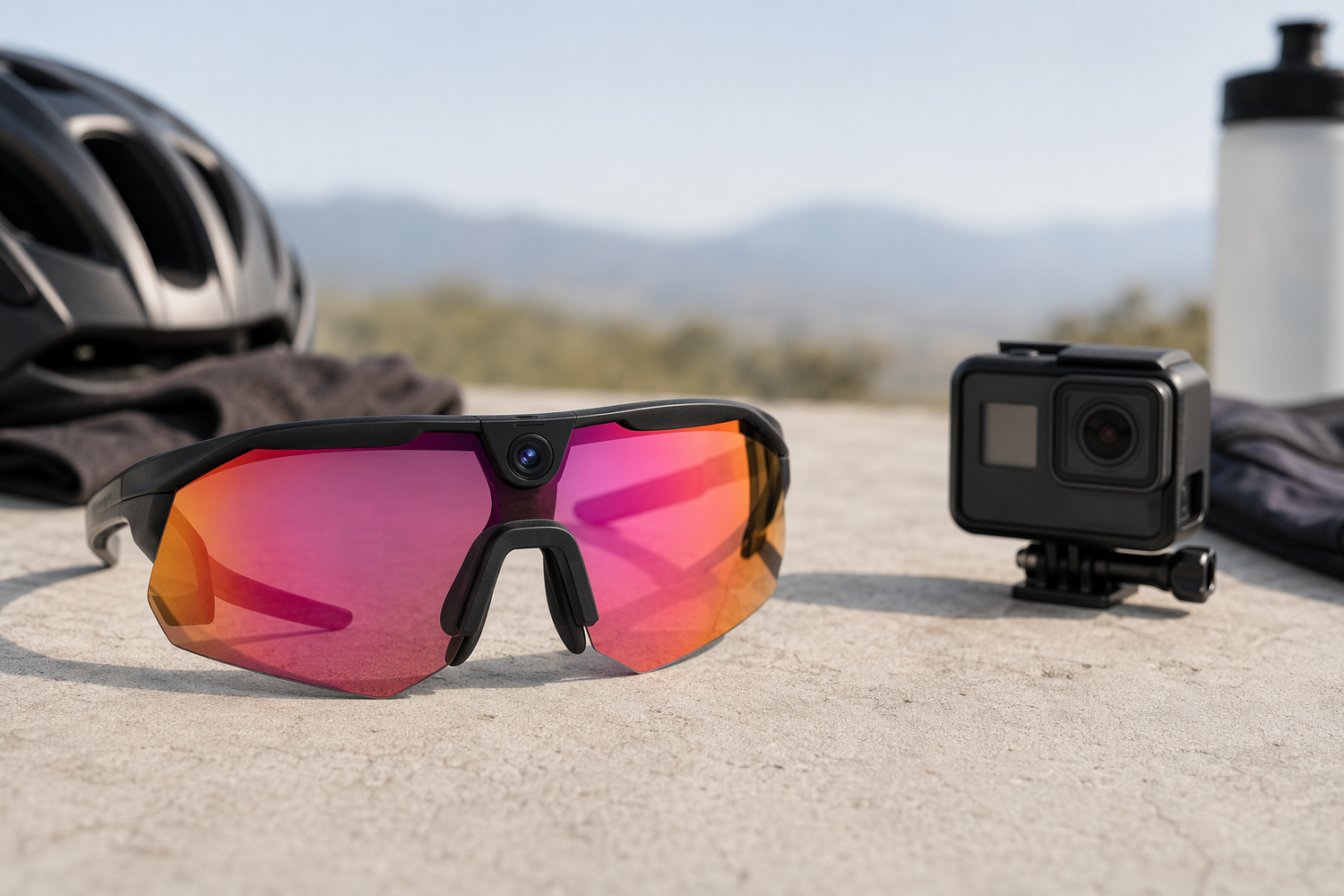
Camera glasses have become practical for cyclists, runners, hikers, anglers, and creators who want natural first-person footage without mounting a box camera to a helmet, chest strap, handlebar, or cap. At the same time, action cameras remain a strong choice when you need rugged mounting, aggressive stabilization, or long-form shooting with external accessories.
This guide compares camera glasses, action camera glasses, sports camera glasses, recording sunglasses for sports, and traditional action cameras. The goal is not to crown one universal winner. The right choice depends on your sport, safety needs, recording style, and how much gear you want to carry.

Quick answer: which one should you choose?
Choose camera glasses if you want lightweight, eye-level point of view, fast capture, and fewer mounts. They are especially useful for road cycling, commuting, running, hiking, travel, coaching, and casual sports content.
Choose an action camera if you need heavy-duty waterproofing, extreme impact resistance, advanced mounting angles, or long sessions where size and extra accessories are less of a concern.
Camera glasses vs action cameras
| Category | Camera glasses | Action cameras |
|---|---|---|
| Point of view | Natural eye-level POV that follows where you look | Depends on mount position: helmet, chest, handlebar, tripod, or clamp |
| Comfort | Often lighter when eyewear is already part of the sport | Can feel bulky depending on mount and accessories |
| Safety and control | Hands-free recording helps when focus and balance matter | May require checking mounts, buttons, screens, or remotes |
| Stabilization | Good for natural motion and steady sports, varies by model | Often stronger for high-impact movement and rough terrain |
| Best fit | Cycling, running, hiking, coaching, travel, POV clips, commuting | Mountain biking, surfing, skiing, motorsports, multi-angle production |
Where camera glasses work better
POV camera glasses record from close to your line of sight. That makes footage feel more personal than a handlebar or chest mount, especially when you are looking into a turn, checking traffic, reading terrain, or reacting to a moment during a run or ride.
Traditional action cameras often need a mount, a case, a battery plan, a memory card check, and a good angle. Recording sunglasses for sports reduce that setup friction: put them on, start recording, and keep moving. For cycling-specific criteria, see the BleeqUp cycling camera glasses guide. If lens comfort matters, read the ZEISS lens guide.
Where action cameras still win
If your sport involves heavy water exposure, repeated crashes, mud, snow, or high-speed impact, a dedicated action camera may be the better primary device. Action cameras are also excellent for creative production because you can place them on a frame, chest strap, helmet, tripod, board mount, or clamp.

Why BleeqUp Ranger makes sense for sports POV
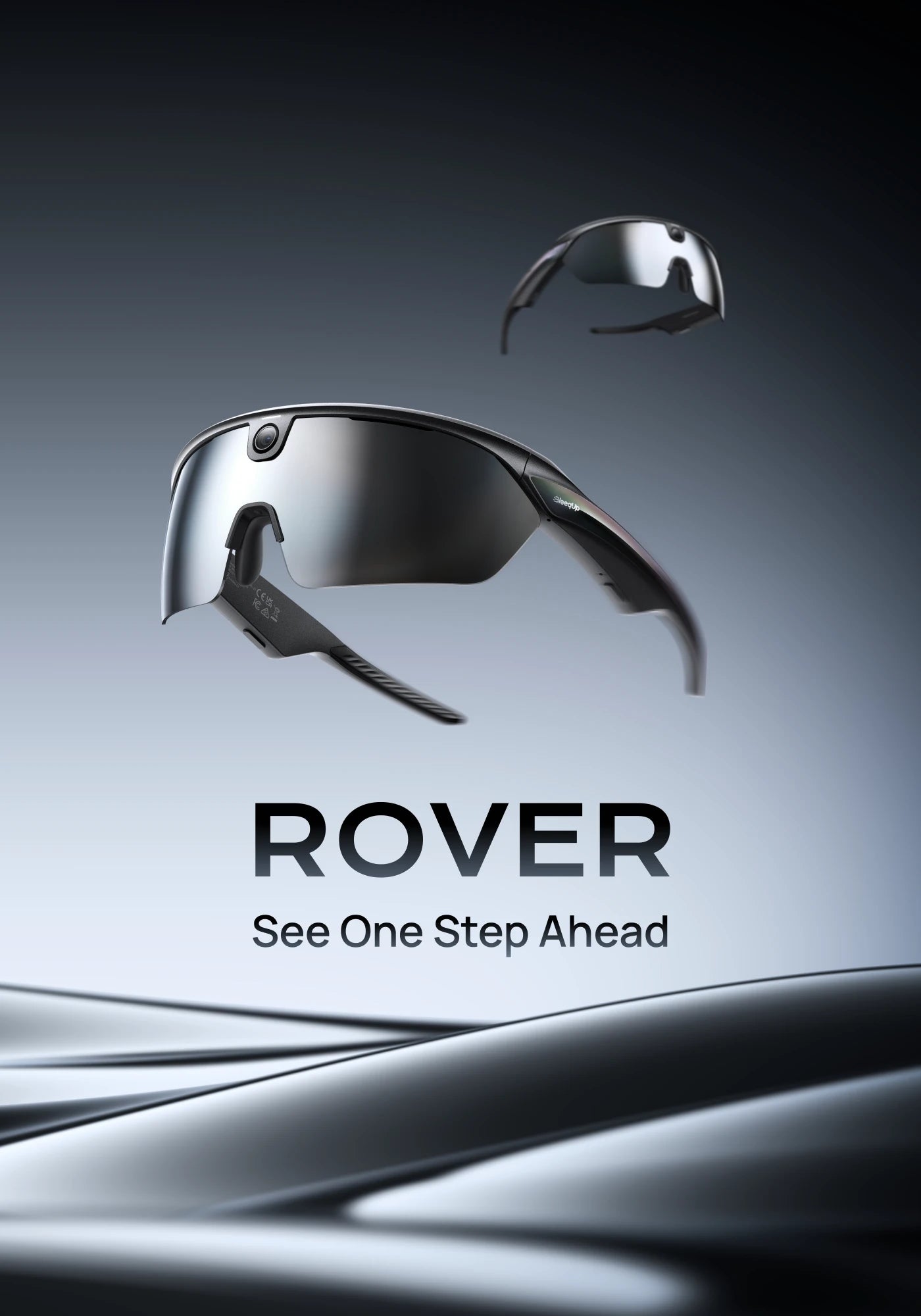
BleeqUp Ranger is designed for people who want sports eyewear and camera capture in one setup. It is not trying to replace every action camera for every extreme sport. Its strength is a different use case: natural POV, fewer mounts, fast recording, and a wearable format that fits cycling, running, commuting, travel, and everyday outdoor activity.
For a product-level breakdown, read the BleeqUp Ranger review. To understand setup and media workflow, visit the BleeqUp app guide or explore the BleeqUp Ranger product page.

FAQ
Are camera glasses better than action cameras?
They are better for some uses, especially natural POV footage, hands-free recording, and sports where eyewear is already normal. Action cameras are usually better for extreme conditions, creative mounting, and long continuous recording.
Can camera glasses replace an action camera?
Camera glasses can replace an action camera for everyday POV clips, road rides, runs, hikes, and casual sports content. They may not fully replace an action camera for harsh conditions or multi-angle production.
What should I look for in POV camera glasses?
Look for stable fit, natural camera angle, comfortable lenses, simple controls, realistic battery support, useful audio, and an app workflow that makes footage easy to review and share.